

Trump signs housing orders to boost construction and expand home loans
WASHINGTON (TNND) — President Donald Trump signed two executive orders aiming at improving housing affordability as the administration tries to bring down the soaring costs of homeownership and bipartisan bills make their way through Congress.
The orders, which cut regulatory burdens officials say drive up costs to build and expand access to home loans, are the latest step Trump has taken to address housing costs ahead of the midterm elections.
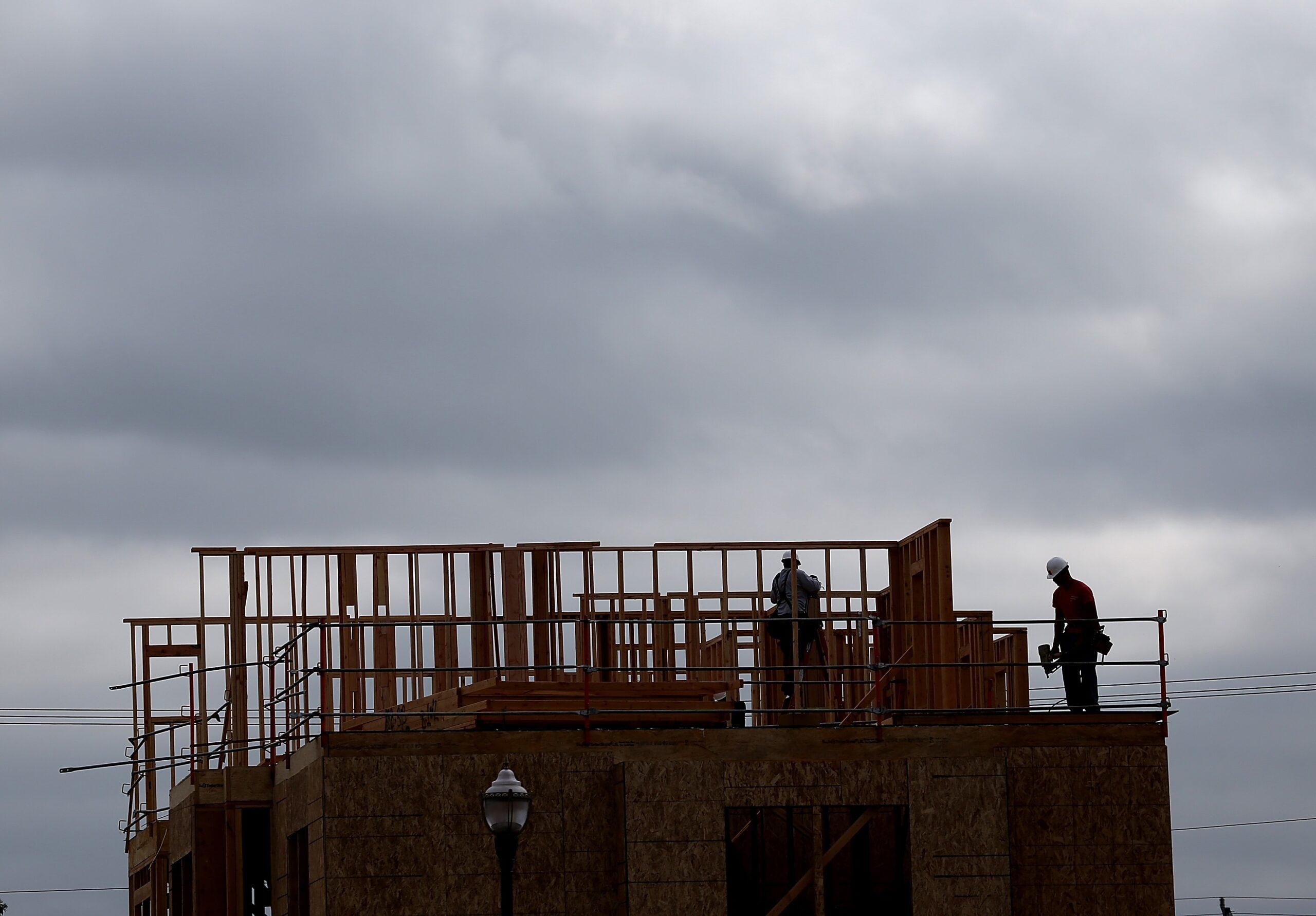
Trump’s first order directs government agencies to reduce the red tape around new home construction. Federal agencies will create incentives for local and state governments to speed up permitting times, reduce design and building mandates and make it easier to use innovative modes of construction.
Many of the provisions in the order focus on cutting environmental regulations a White House fact sheet argues increase the cost of building homes. Agencies are directed to review, revise, simplify or eliminate rules and permitting requirements. The Secretary of Housing and Urban Development and assistant to the president for domestic policy were also directed to develop best practices for state and local governments to reshape their regulations to speed up the permitting process and cut costs.
“Layers of red tape, slow permitting processes, and costly environmental mandates imposed by progressive policymakers at the state, local, and Federal level have made it harder and more expensive to build homes in America – leaving families priced out of the market and the American Dream out of reach,” the White House said in a fact sheet.
It’s unclear how quickly or effectively federal changes can spawn new construction or reduce mortgage costs, the two primary barriers to affordability. Most of the key regulatory burdens and zoning restrictions are left to state and local governments, minimizing the federal government’s ability to spur change.
“There’s a reason those restrictions are there. So it’s unclear that states and localities will be very responsive to a federal push to reduce those restrictions,” said Keith Marzilli Ericson, professor of markets, public policy, and law at Boston University’s Questrom School of Business.
“It is a challenging issue for the federal government to do much about,” Ericson said. “The best things you might hope for from a federal government would be kind of creating model standards that states could adopt, so that states and localities were more similar to each other in terms of their regulations.”
Housing affordability has seen modest improvement this year as home price growth has slowed and mortgage rates have occasionally dipped under 6%. But the median price of an existing home was $398,000 as of February, according to the National Association of Realtors, leaving many buyers on the sidelines.
Addressing the high barrier to homeownership has become a priority for lawmakers on both sides of the aisle ahead of the midterms, where voters continue to rank inflation among their top concerns.
Trump’s latest orders come after the Senate passed a package of bipartisan bills that would be the most significant reform of federal housing policy in decades. The bills passed the Senate by broad bipartisan support in an 89-to-10 vote but are facing an uncertain fate in the House, where lawmakers passed their own housing legislation in February.
Leaders of the House legislation have pushed for a conference with senators to hammer out differences between the two bills, a move that could delay the bill’s passage for months.
The administration is also attempting to lower barriers to financing for prospective buyers.
A second order released Friday aims to streamline the mortgage process by changing the Consumer Financial Protection Bureau’s mortgage guidelines to get smaller community banks to do more home lending. Trump’s order calls for streamlining regulatory and documentation requirements, updating recommendations for appraisals, changing guidance on underwriting and encouraging construction lending.
In January, Trump signed an executive order to reduce the role institutional investors play in the single-family housing market, an issue some lawmakers blame for higher prices. Large investors only own 2% of the country’s single-family housing stock, but hold larger shares in some markets such as Atlanta. Trump also directed mortgage giants Fannie Mae and Freddie Mac to purchase $200 billion in mortgage-backed securities to reduce interest rates.
The president has also floated the creation of 50-year mortgages and “portable” loans to increase purchasing power for buyers currently priced out of the market. Those proposals have not gained traction and also risk sending prices higher by adding pressure to demand without dealing with the root of America’s struggle with housing prices, a shortage of homes available to purchase.
Home prices have continued to climb over the last several years even as the housing market has slumped. Prices are around 50% higher nationally than they were at the start of the coronavirus pandemic, according to government data. Economists attribute much of the increase to a lack of supply to meet the demand even in a slower market. Regions that have seen higher levels of construction have seen slower upticks in prices for homes and rents.
The U.S. has struggled to recover housing construction since the 2008 financial crisis, contributing to a persistent shortage of homes. A March report from Realtor.com estimates the U.S. is short more than 4 million homes as of 2026.

